
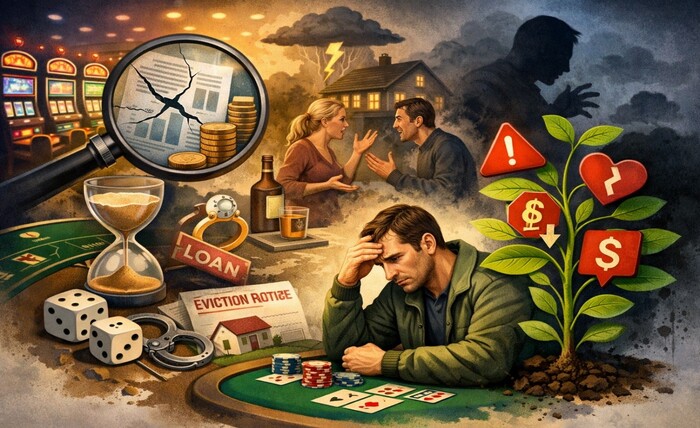
Gambling is widely enjoyed as a form of entertainment. Online casinos, sports betting platforms, and digital gaming sites have made gambling more accessible, convenient, and engaging than ever before. While many players gamble responsibly without negative consequences, others may gradually develop unhealthy habits without realizing it. This is why responsible gambling awareness is so important.
책임감 있는 도박 awareness focuses on recognizing risks early, understanding personal behavior, and taking action before gambling becomes harmful. Gambling-related problems rarely appear overnight. They usually develop slowly, often unnoticed, until they begin to affect finances, emotions, relationships, and daily life. By increasing awareness, players can protect themselves, maintain balance, and ensure gambling remains a positive experience.
This guide explores responsible gambling awareness in depth, explaining common risks, early warning signs, emotional triggers, and practical ways to prevent problems before they grow.
What Responsible Gambling Awareness Really Means
Responsible gambling awareness is about understanding how gambling works, recognizing its risks, and staying mindful of your own behavior. It is not about discouraging gambling or labeling players negatively. Instead, it encourages informed, conscious, and balanced play.
Awareness means:
- Knowing that gambling involves risk and chance
- Understanding that losses are possible and normal
- Recognizing personal limits and emotional triggers
- Identifying early warning signs of unhealthy behavior
- Taking preventive action before harm occurs
Awareness empowers players to make better decisions and stay in control.
Why Gambling Risks Often Go Unnoticed
One of the biggest challenges with gambling-related harm is that it often develops quietly. Many players believe that problems only affect others or assume they can stop anytime. In reality, gambling risks can grow slowly and subtly.
Common reasons risks go unnoticed include:
- Gradual increases in spending or time
- Normalization of frequent gambling
- Easy access to online platforms
- Emotional attachment to wins or losses
- Belief that experience reduces risk
Responsible gambling awareness helps players recognize these patterns early rather than after serious consequences appear.
Gambling as Entertainment Versus Gambling as a Coping Tool
A key concept in responsible gambling awareness is understanding why you gamble. Gambling should always be entertainment, not a solution to personal problems.
Healthy gambling motivation:
- Playing for fun or excitement
- Enjoying the social or game experience
- Accepting wins and losses calmly
Risky gambling motivation:
- Gambling to escape stress or sadness
- Gambling to recover financial losses
- Gambling to feel control or excitement during difficult times
- Gambling out of boredom or loneliness
When gambling becomes a coping mechanism, risks grow quickly.
Financial Risks and How They Begin
Financial harm is one of the most common consequences of problem gambling, but it usually starts small.
Early financial risk signs include:
- Increasing bet sizes gradually
- Spending more than originally planned
- Using savings meant for other purposes
- Feeling pressure to win money back
- Thinking about gambling expenses frequently
Responsible gambling awareness encourages players to monitor spending patterns and address small changes before they escalate.
Emotional Risks Linked to Gambling
Gambling affects emotions as much as finances. Emotional risks are often overlooked because they are less visible than money losses.
Emotional warning signs may include:
- Feeling anxious or irritable after gambling
- Mood swings related to wins or losses
- Guilt or shame about gambling behavior
- Stress when unable to gamble
- Obsessive thoughts about gambling
Recognizing emotional changes early helps prevent deeper mental health issues.
Time-Related Risks in Online Gambling
Online gambling platforms are available 24 hours a day, making time-related risks especially common.
Early signs of time-related risk include:
- Losing track of time while gambling
- Gambling longer than intended
- Prioritizing gambling over responsibilities
- Gambling late at night regularly
- Skipping social or family activities
Responsible gambling awareness includes paying attention to how gambling fits into your daily routine.
The Danger of Chasing Losses
Chasing losses is one of the clearest warning signs of gambling risk. It occurs when players continue gambling to recover money they have lost.
This behavior is risky because:
- It increases emotional decision-making
- It often leads to higher stakes
- It creates a cycle of frustration and loss
- It shifts focus from entertainment to desperation
Responsible gambling awareness teaches players to accept losses calmly and stop when limits are reached.
Understanding the Illusion of Control
Many gambling risks stem from the illusion of control. Players may believe that skill, experience, or strategy can overcome chance.
Common misconceptions include:
- Believing a win is “due” after losses
- Thinking experience guarantees better outcomes
- Believing certain patterns predict results
- Overconfidence after winning streaks
Responsible gambling awareness emphasizes that chance always plays a central role, regardless of experience.
Bonuses and Promotions as Hidden Risk Triggers
Bonuses and promotions can increase gambling risks if misunderstood or misused.
Risk factors include:
- Feeling pressure to meet wagering requirements
- Increasing spending to unlock bonuses
- Gambling longer to clear promotions
- Ignoring limits due to bonus incentives
Awareness helps players treat bonuses as optional extras, not obligations.
Social and Relationship Risks
Gambling-related harm often affects relationships long before financial collapse occurs.
Early social warning signs include:
- Hiding gambling activity from loved ones
- Lying about time or money spent
- Becoming defensive when questioned
- Withdrawing from family or friends
- Arguing about gambling-related issues
Responsible gambling awareness includes recognizing how gambling affects others, not just the player.
Recognizing Behavioral Warning Signs Early
Behavioral changes are often the first indicators that gambling risks are growing.
Early behavioral signs include:
- Thinking about gambling constantly
- Planning daily activities around gambling
- Feeling restless when not gambling
- Increasing gambling frequency
- Ignoring previously set limits
Catching these behaviors early allows players to take corrective action.
Using Self-Awareness as a Protective Tool
Self-awareness is one of the strongest defenses against gambling-related harm.
Responsible gambling awareness encourages players to regularly ask themselves:
- Am I staying within my limits?
- Is gambling still enjoyable?
- Am I gambling for the right reasons?
- How do I feel before and after playing?
- Is gambling affecting my daily life?
Honest self-reflection helps prevent risks from growing.
The Role of Responsible Gambling Tools
Most reputable gambling platforms offer tools designed to support responsible gambling awareness.
These tools include:
- Deposit limits
- Loss limits
- Time limits
- Reality check notifications
- Temporary breaks
- Self-exclusion options
Using these tools early is a preventive measure, not a sign of failure.
Why Early Action Matters
One of the most important messages of responsible gambling awareness is that early action works. Addressing small issues is far easier than dealing with serious gambling problems later.
Early action may include:
- Reducing gambling frequency
- Lowering spending limits
- Taking a temporary break
- Talking to someone you trust
- Seeking educational resources
Small adjustments can prevent major consequences.
Responsible Gambling Awareness for New Players
New players may not recognize risks due to inexperience.
New players should focus on:
- Starting with small stakes
- Learning game mechanics
- Setting limits immediately
- Avoiding high-risk bets
- Viewing gambling as learning and entertainment
Early awareness builds healthy long-term habits.
Responsible Gambling Awareness for Experienced Players
Experience does not eliminate risk. In some cases, it can increase overconfidence.
Experienced players should:
- Review habits regularly
- Avoid emotional decision-making
- Maintain strict limits
- Watch for subtle behavior changes
- Stay open to feedback from others
Awareness is an ongoing responsibility.
Mental Health and Gambling Awareness
Mental health plays a significant role in gambling behavior. Stress, anxiety, depression, and loneliness can all increase gambling risks.
Responsible gambling awareness includes:
- Recognizing emotional triggers
- Avoiding gambling during emotional distress
- Seeking healthier coping strategies
- Understanding that gambling does not solve emotional problems
Protecting mental well-being supports long-term balance.
The Importance of Honest Communication
Open communication is a powerful preventive tool. Talking honestly about gambling habits reduces shame and secrecy.
Responsible gambling awareness encourages:
- Listening to concerns from loved ones
- Being honest about struggles
- Avoiding defensiveness
- Seeking support early
Supportive conversations can prevent risks from escalating.
Knowing When to Take a Break
Taking a break is one of the simplest and most effective ways to stop risks from growing.
Signs it may be time for a break include:
- Gambling feels stressful rather than fun
- Limits are being tested
- Emotions are driving decisions
- Gambling occupies too much mental space
Breaks restore perspective and control.
Seeking Help Before Problems Escalate
Responsible gambling awareness includes knowing when to seek help. Support is most effective when accessed early.
Available support options may include:
- Gambling helplines
- Online counseling services
- Support groups
- Mental health professionals
- Educational self-help resources
Seeking help is a proactive and responsible step.
Long-Term Benefits of Responsible Gambling Awareness
Maintaining awareness offers long-term benefits such as:
- Financial stability
- Emotional balance
- Reduced stress and anxiety
- Stronger relationships
- Sustainable enjoyment of gambling
Awareness protects both present enjoyment and future well-being.
Final Thoughts: Awareness Is the First Line of Protection
책임감 있는 도박 awareness is about recognizing risks before they grow into serious problems. Gambling should always remain a form of entertainment, guided by awareness, honesty, and self-control. By paying attention to early warning signs, understanding emotional and financial triggers, using available tools, and taking action early, players can protect themselves and maintain balance.
Awareness is not about fear or restriction. It is about empowerment. When players stay aware, gambling remains enjoyable, controlled, and safe—exactly as it should be.