The Role of Social Media in Online Gaming Popularity
If we look at how online gaming has grown over the past decade, it is impossible to ignore one powerful force behind its rise: social media. Games today do not grow in isolation. They spread through timelines, live streams, short clips, memes, and online conversations. Social media has become the bridge that connects games to global audiences, turning simple releases into worldwide trends almost overnight.
In the past, people discovered games through advertisements, magazines, or word of mouth among friends. Today, discovery happens instantly. A short gameplay clip on TikTok, a viral meme on Instagram, or a live stream on YouTube can introduce a game to millions of viewers within hours. Social media moves fast, and when a game slot jepang captures attention, its popularity can explode in a matter of days.
One of the biggest reasons social media influences gaming popularity is visibility. A game may be well-designed and exciting, but without exposure, it might remain unnoticed. Social platforms allow developers, players, and content creators to share gameplay moments, updates, and reactions with global audiences. Every highlight clip or funny in-game moment becomes free promotion. When players share their experiences, they are not just having fun they are marketing the game to their followers.
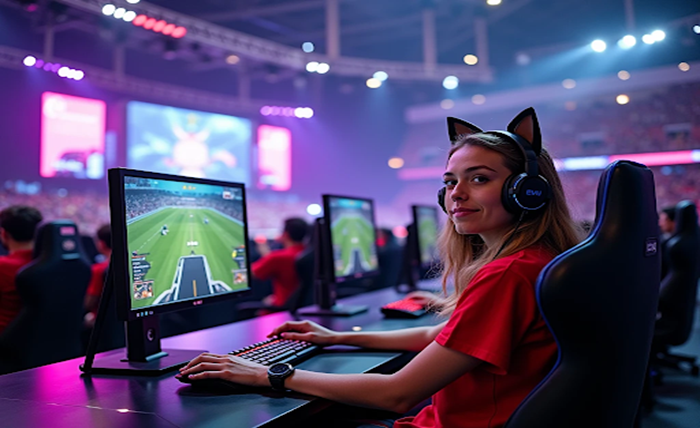
Streaming culture has also changed everything. Watching someone play a game has become entertainment in itself. Platforms like YouTube Gaming, Twitch, and Facebook Gaming have created a space where gamers can build communities around live content. Viewers do not simply watch; they interact. They comment, react, and feel part of the experience. This interaction makes gaming feel alive and personal.
Influencers play a major role in this process. When a popular streamer or content creator tries a new game, their followers often follow. A single recommendation from a trusted personality can boost downloads dramatically. People trust creators they admire, and that trust translates into influence. In many cases, games become successful not because of traditional advertising, but because of organic exposure through influencers.
Another powerful aspect of social media is community building. Online gaming is already social by nature, but platforms like Discord, Reddit, and Twitter extend that connection beyond the game itself. Players discuss strategies, share fan art, create memes, and debate updates. These discussions keep the game relevant even when players are offline. A strong online community can keep a slot kamboja game alive for years.
Memes, in particular, play an unexpected but important role. A funny glitch, a relatable in-game situation, or a surprising moment can quickly turn into viral content. Memes make games feel part of everyday online culture. Even people who do not actively play may recognize characters or references because they see them on social media. This cultural presence strengthens popularity.
Social media also gives players a voice. They can share feedback directly with developers, express excitement about updates, or criticize issues. This open communication creates a sense of participation. Players feel heard, and developers can respond quickly to community concerns. This interaction builds loyalty and trust, which are essential for long-term success.
Short-form video platforms have accelerated trends even further. Quick highlights, dramatic wins, or emotional reactions fit perfectly into short clips. These bite-sized moments are easy to share and consume. As a result, gaming content spreads rapidly across different demographics. Someone scrolling casually may discover a new game simply because a short clip caught their attention.
The role of social media also reflects a broader shift in how entertainment works today. Audiences no longer passively consume content. They engage, comment, remix, and participate. Online gaming fits perfectly into this interactive culture. Players create fan content, tutorials, reaction videos, and livestreams. The line between player and promoter becomes blurred.
Of course, social media influence also comes with challenges. Hype can sometimes create unrealistic expectations. Negative reviews or controversies can spread quickly as well. The same speed that builds popularity can also damage reputation. That is why responsible communication and transparency are important for both developers and creators.
Despite these challenges, the positive impact of social media on gaming popularity is undeniable. It has democratized exposure. Smaller indie games now have the opportunity to go viral without massive marketing budgets. A creative idea, combined with the right online moment, can reach millions.
In conclusion, social media plays a crucial role in shaping the popularity of online games. It provides visibility, builds communities, supports influencers, and keeps conversations alive. Gaming is no longer confined to the screen it exists across platforms, timelines, and digital conversations.
The relationship between online gaming and social media is a reflection of our connected world. Both rely on interaction, creativity, and community. Together, they create a powerful cycle: games generate content, content attracts attention, attention brings players, and players create even more content.
In the end, social media does not just promote online games it amplifies the experience. It turns individual play sessions into shared global moments. And as long as people continue to connect, share, and create online, social media will remain one of the strongest forces behind the popularity of online gaming.